Embedding SMEs and startups into innovation ecosystems that actually work.
SMEs and startups are routinely referenced in regional and institutional strategy. They are far less often embedded into the delivery systems that sit underneath it.

Innovation ecosystems frequently struggle with access, visibility and structured participation for smaller organisations. Programmes are designed for organisations large enough to navigate them, not for the businesses that most need their support.
The result is an ecosystem that performs strongly at the top and loses its long tail of contributors at the point where inclusion matters most.
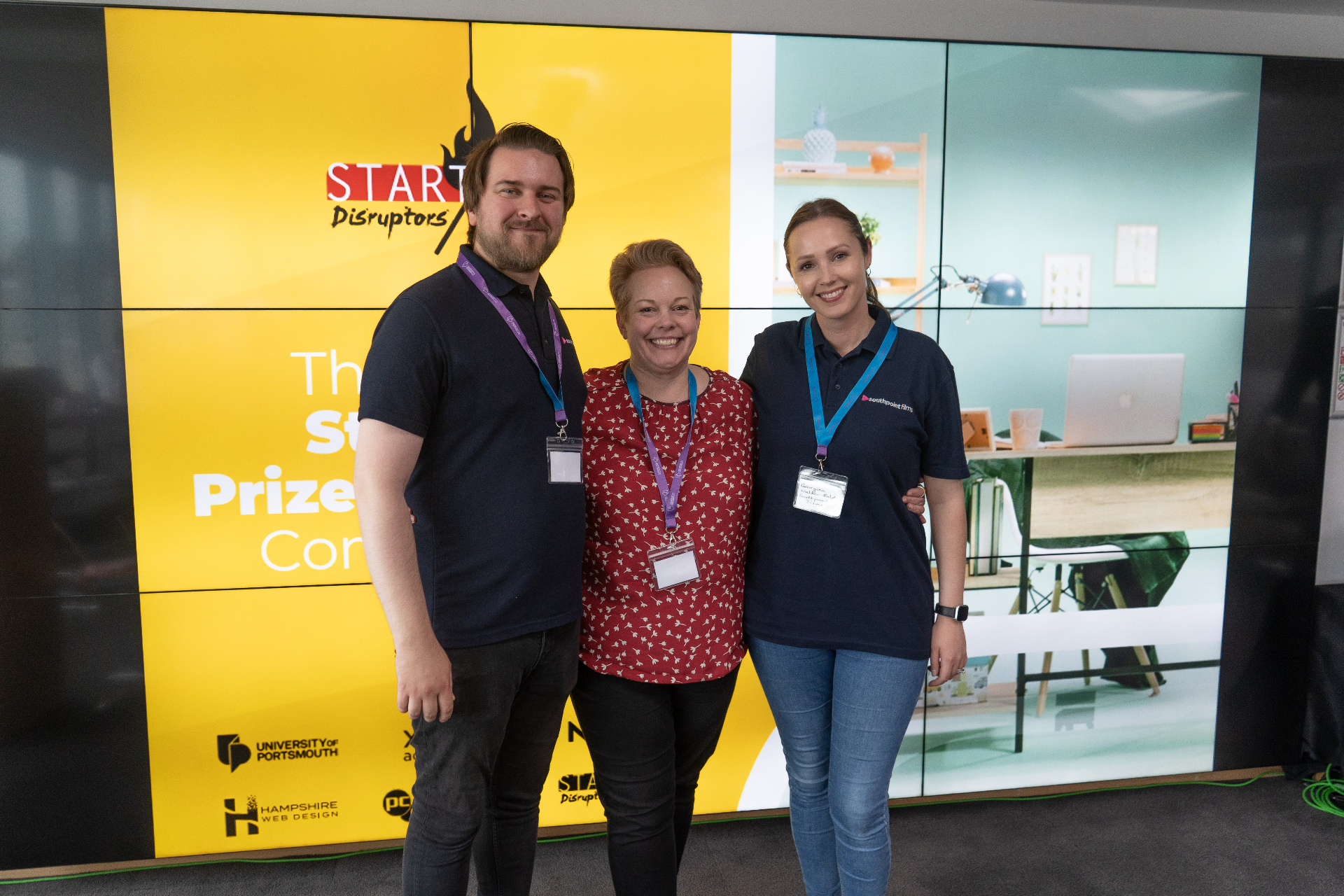
Where smaller organisations fall out of the system.
Unclear engagement pathways
Routes into programmes are fragmented and difficult to navigate without dedicated bid or partnerships capacity.
Opaque access to funding
Eligibility, timing and decision-making are rarely transparent at the SME level, even when intent is genuinely inclusive.
Informal collaboration
Relationships between SMEs, universities and innovation hubs tend to be ad hoc rather than structured into systems that survive individual transitions.
Inclusion frameworks that embed SMEs into delivery.
Becky designs inclusion frameworks that embed SMEs and startups into the systems that already exist around them, including innovation programmes, university collaboration models, and regional funding and delivery structures.
The principle is simple. Design the system, not the workaround. Inclusion is a structural choice, not an outreach activity.
Higher SME participation, more diverse ecosystems, improved access to opportunity, and stronger overall innovation performance across the region.